
Welcome to the ultimate guide on crochet tips. Whether you are a total beginner or an advanced fiber artist, understanding the intricacies of crochet tips is essential to elevating your craft. In this massive, comprehensive guide, we will break down everything you need to know, from selecting the right materials to finishing techniques.
Why crochet tips Matters
When diving into the world of yarn, the topic of crochet tips frequently arises. Mastering this concept ensures your projects turn out beautifully, with perfect tension, vibrant colors, and professional drape. Let's explore the core principles that every crafter should know.
Color Theory for Fiber Artists
Choosing the right color palette can elevate a simple project into a stunning masterpiece. When designing an afghan, temperature blanket, or complex amigurumi, employing basic color theory ensures visual harmony. Monochromatic schemes use varying shades of a single color, creating a soothing, modern look. Analogous schemes use colors next to each other on the color wheel (like blue, teal, and green) for a natural, blended aesthetic. Complementary colors (opposites on the wheel, like blue and orange) create high contrast and vibrant pop. Additionally, consider the 'value' of your colors. If you are doing complex colorwork like mosaic crochet, ensure your primary and secondary colors have a high value contrast (one light, one dark). You can test this easily by taking a photo of your yarn balls and applying a black-and-white filter; if the colors blend into the same gray, your pattern will be invisible.
The Anatomy of a Crochet Stitch
To truly master crochet, you must understand the anatomy of a stitch. Every standard stitch has a 'V' shape at the top, consisting of a Front Loop (the leg closest to you) and a Back Loop (the leg furthest from you). Below the V is the 'post' of the stitch. Standard crocheting requires inserting the hook under both loops of the V. However, modifying where you insert the hook changes the entire fabric texture. Working in the Back Loop Only (BLO) creates horizontal ridges, perfect for creating stretchy ribbing for hat brims or sweater cuffs. Working in the Front Loop Only (FLO) creates a dense fabric with horizontal lines on the back. You can also crochet around the 'post' of the stitch itself (Front Post Double Crochet / FPdc) to create dramatic, raised cables that mimic knit fabric.
Understanding Yarn Weights and Fibers
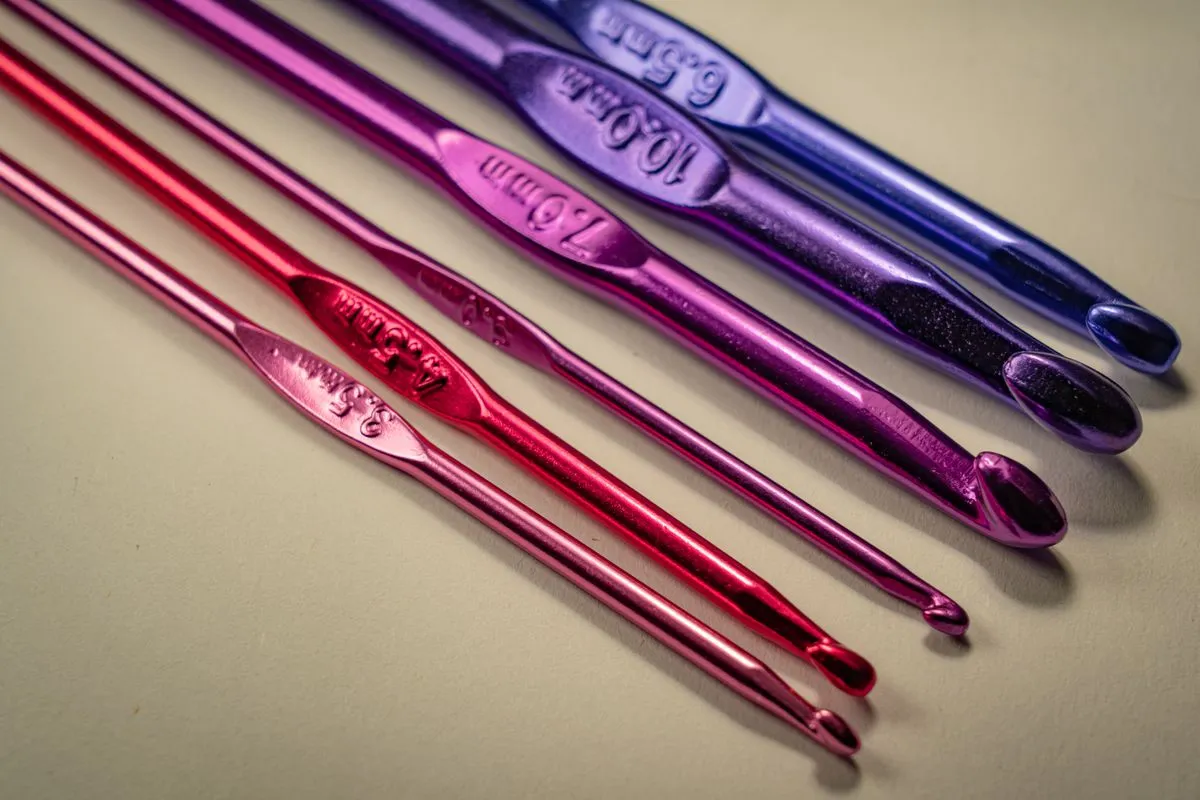
When selecting materials for your project, understanding crochet tips and yarn weight and fiber content is paramount. Yarn weights range from lace weight (size 0) to jumbo (size 7). For delicate lacework or micro-amigurumi, sport or fingering weight cotton is ideal because it provides incredible stitch definition and prevents polyfill stuffing from showing through. Conversely, worsted (size 4) and bulky (size 5) yarns are the gold standard for blankets, scarves, and quick home decor items. Beyond weight, fiber choice drastically alters the final drape. Animal fibers like merino wool offer superior warmth and memory, making them excellent for garments that need to retain their shape. Plant fibers like mercerized cotton are highly absorbent and durable, perfect for dishcloths, coasters, and summer tops. Always check your pattern's recommendations, as substituting a different fiber can completely change the scale and texture of the finished piece.
Building an Amigurumi Skeleton (Wire Armatures)
If you want your crochet animals or dolls to be posable, you need to build an internal skeleton, known as a wire armature. This technique elevates a basic plushie into a professional art doll. To do this safely, use galvanized craft wire or aluminum floral wire (which will not rust if washed). Cut the wire to the length of the limbs, create small loops at the very ends of the wire (so sharp edges do not poke through the yarn), and wrap the entire wire tightly in medical tape or electrical tape. Insert the wrapped armature into the crocheted limb, and then pack polyfill stuffing tightly around the wire so it remains centered. This allows the finished doll to bend its knees, cross its arms, or tilt its head, dramatically improving its expressiveness and aesthetic appeal.
Top Tips for Success
- Always check your gauge swatch before beginning a large project.
- Invest in ergonomic tools to prevent hand fatigue.
- Use stitch markers to track your rounds.
- Explore our blanket pattern collection for inspiration.
Choosing the Right Hook Material
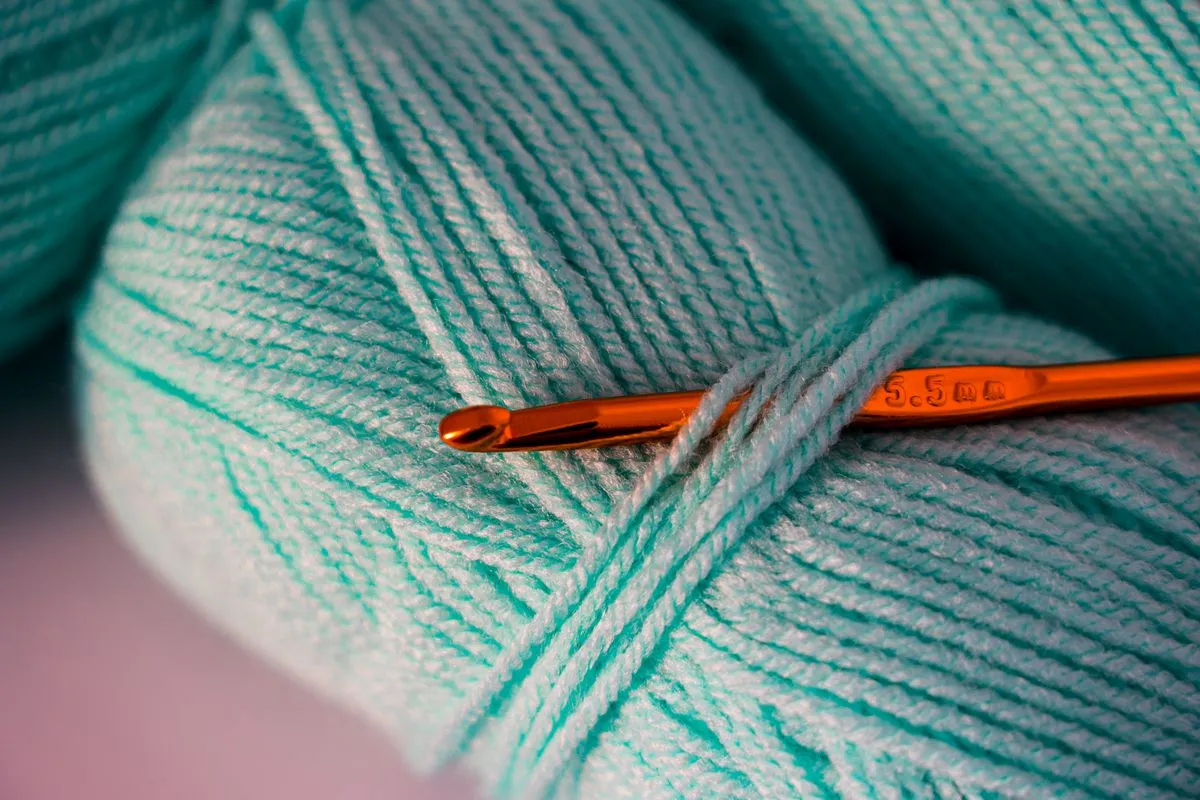
Crochet hooks come in a vast array of materials, and your choice will significantly impact your tension and speed. Aluminum hooks are the most common; they are slick, durable, and allow the yarn to glide quickly. However, they can be cold to the touch and slippery for beginners. Wooden and bamboo hooks offer more 'grab' or friction. This is exceptionally helpful when working with slippery, slippery yarns like bamboo silk or mercerized cotton, as it prevents stitches from accidentally dropping off the hook. Plastic or acrylic hooks are lightweight and great for massive, jumbo projects, but they can snap under heavy pressure. Finally, ergonomic resin or clay-handled hooks provide superior grip comfort. Every fiber artist has a preference, and it is highly recommended to try a variety of materials until you find your perfect match.
How to properly Block your Finished Projects
Blocking is the magical final step that transforms crumpled, curled fabric into crisp, professional-looking items. Blocking involves introducing moisture to the fibers and pinning them into their final desired shape until they dry. Natural fibers like wool and cotton respond incredibly well to wet blocking (submerging the item in tepid water with a mild wool wash, squeezing out excess water, and pinning it to foam mats). Acrylic yarn, however, is a plastic and does not absorb water. To block acrylic, you must use steam blocking. Pin the item to your mats, hold a garment steamer or a steam iron about an inch above the fabric, and shoot steam into the fibers. Never touch the iron directly to the acrylic, or it will instantly melt and ruin your work ('killing' the yarn). Once blocked, lacy shawls will open up spectacularly, and granny squares will become perfectly geometric.
Understanding Dye Lots in Yarn
When purchasing yarn for a large project like an afghan or a sweater, you must pay strict attention to dye lots. A dye lot is a number printed on the yarn label that indicates the specific vat in which the yarn was dyed. Even if the color name is exactly the same, two skeins from different dye lots can have slightly different shades. This discrepancy might not be visible in the store under fluorescent lights, but once you crochet them side-by-side in a large panel, a harsh line will appear where you switched skeins. Always buy more yarn than the pattern calls for (usually 10-20% more) to ensure you have enough of the exact same dye lot. If you are forced to use different dye lots, alternate rows with the two different skeins to blend the colors naturally.
Photography and Lighting for Your Projects
Whether you are posting to Instagram, selling on Etsy, or writing a blog, high-quality photography is non-negotiable. The best camera is the one you have, but lighting makes all the difference. Never use harsh, direct sunlight or yellow indoor overhead lighting. Instead, utilize indirect natural light. Place a table next to a large window facing North or South. Use a white foam board or a piece of poster board on the opposite side to bounce light back onto the project, eliminating harsh shadows. Keep your backgrounds clean and uncluttered—a simple wooden table or a crisp white sheet works best. Include a few aesthetic props, like a pair of vintage scissors, a cup of coffee, or the hook you used to make the item. This adds context and scale, making your creations irresistible to viewers.
Washing and Caring for Handmade Items
Handmade garments and blankets are heirloom pieces that require specific care to ensure longevity. Always check the yarn label before throwing a project in the wash. Pure wool must be hand-washed in cool water with a no-rinse wool wash (like Soak or Eucalan) and laid completely flat to dry. Agitating wool in warm water will cause it to 'felt,' shrinking dramatically and becoming a dense, solid fabric. Superwash wools have been chemically treated to resist felting and can technically be machine washed, but hand-washing extends their life. Premium acrylics and cottons are much more resilient and can usually be machine washed on a gentle cycle. However, never hang a wet crochet garment on a hanger! Water is heavy, and the weight will stretch the item out of proportion permanently. Always lay wet crochet flat on towels to dry.
Mastering the Magic Ring (Magic Circle)
The magic ring, often abbreviated as MR or MC, is the foundational technique for almost all amigurumi, top-down hats, and circular motifs. Unlike the traditional 'chain 4 and slip stitch to join' method, the magic ring allows you to pull the center hole completely tightly closed, leaving no visible gap. This is absolutely critical when making stuffed toys, as any central gap will allow white polyfill stuffing to leak out. To create a magic ring, drape the yarn over your fingers, wrap it around to form an X, insert your hook under the first strand, grab the second strand, and pull up a loop. Then, chain one to secure it. From there, you work your required number of single crochets directly into the ring. Once finished, pull the short tail firmly to cinch the circle shut. It takes practice, but once mastered, it is an indispensable skill.
The Importance of Ergonomics in Crafting
Crocheting is a repetitive stress activity. Over time, making thousands of consecutive stitches can lead to severe wrist pain, carpal tunnel syndrome, and elbow strain. Investing in ergonomic hooks is the single most important decision you will make as a crafter. Hooks with thick, rubberized handles allow you to maintain a looser grip, preventing hand cramps. Furthermore, posture plays a massive role. Avoid hunching over your work; instead, use a nursing pillow or a stack of cushions to bring your hands closer to your eye level. Take frequent breaks every 30 minutes to stretch your fingers, wrists, and neck. Applying mild heat therapy after a long crafting session can also promote blood flow and reduce tendon inflammation. Remember, your hands are your most valuable tools—protect them so you can continue creating beautiful items for decades to come.
Pricing and Selling Your Handmade Goods
Transitioning from a hobbyist to a business owner requires a dramatic shift in how you value your time. The biggest mistake new sellers make is drastically underpricing their items. A common pricing formula is: (Cost of Materials + (Hourly Wage x Time Spent)) = Wholesale Price. To get the Retail Price, you multiply the Wholesale Price by two. If you spend 10 hours making a complex blanket and want to pay yourself $15/hour, that blanket should retail for hundreds of dollars. Because handmade items are luxury goods, trying to compete with factory-made prices is a race to the bottom. Instead, target niche markets. Focus on creating unique, high-quality, branded items. Participate in juried craft fairs, build an aesthetic Instagram presence, and consider selling PDF patterns to generate passive income alongside your physical product sales.
Conclusion
Mastering crochet tips is a journey that requires patience, practice, and a willingness to learn. By applying the techniques and theories outlined in this massive guide, you are well on your way to creating stunning, heirloom-quality handmade items.
Ready to start your next project? Browse our extensive library of amigurumi patterns and put your new skills to the test!
Frequently Asked Questions
What is the best way to practice crochet tips?
The absolute best way is repetitive practice on small swatches before tackling a massive blanket or sweater.
Are there video tutorials available?
Yes, alongside our written PDF patterns, we frequently link to private video tutorials covering the most difficult stitches.